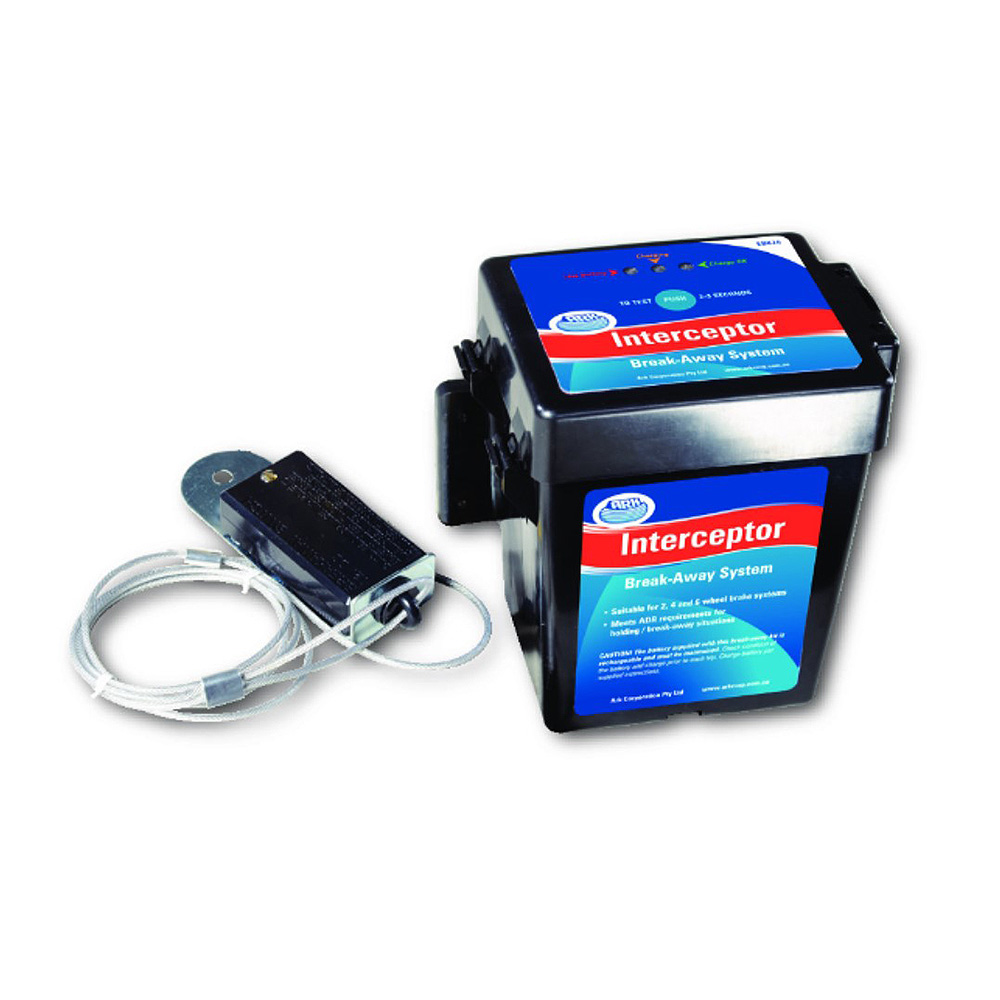
Electric Brake Away System
Electric Break‑Away System
An electric break‑away system consists of a battery, a break‑away switch/cable and wiring to the trailer’s braking system. If the trailer separates from the tow vehicle, the break‑away switch pulls free and completes a circuit that energises the trailer battery and applies the trailer brakes automatically, bringing the trailer to a stop and keeping the brakes applied until the battery is depleted or the system is reset.
Item description for a product listing
Product name: Electric Break‑Away System Kit (12 V)
Includes: Break‑away switch with stainless steel pin and lanyard; sealed 12 V maintenance‑free battery; battery box and mounting bracket; heavy‑duty wiring loom with inline fuse; battery isolator/charger; universal mounting hardware; installation and user manual.
Key features:Automatic brake application on detachment; 15‑minute minimum hold time under load; corrosion‑resistant components; compatible with electric drum and disc trailer brakes; LED status indicator and test/reset button; over‑charge protection for battery.
Suitable for: Trailers with electric brakes, caravans and plant trailers where a dedicated break‑away system is required or recommended.
Compliance: Designed to meet Australian trailer brake system requirements and Vehicle Standards guidance for break‑away operation.
When is it mandatory in NSW
- Trailers with Gross Trailer Mass (GTM) over 2.0 tonnes: Break‑away systems (or independent brakes that apply on detachment) are required; brakes must operate on all wheels and the break‑away application must remain applied for at least 15 minutes.
- Trailers with GTM above 750 kg: An efficient braking system is required; for trailers up to 2 tonnes an overrun system or driver‑operated system may be acceptable, but above 2 tonnes overrun brakes are not acceptable and remote/driver‑applied braking is required.
- Regulatory basis: Requirements flow from Australian Design Rules and state vehicle standards and are implemented through NSW registration and modification guidance — always confirm the current rule set and any recent changes with NSW authorities before purchase or installation.
Practical notes and recommendations
- Fitment and testing: Have a qualified trailer mechanic or authorised installer fit and test the system; ensure the battery is maintained and the isolator/charger is functioning so the break‑away system will operate when needed.
- Documentation: Keep installation records and a simple test log; if you tow commercially or travel long distances, check local state requirements and carry proof of compliance.
- Alternatives: For some heavy or specialised trailers, independent braking systems that meet the same automatic‑apply criteria are acceptable — discuss options with your installer and check compliance certificates.